
Blade Shapes and Their Uses: A Complete Guide to Choosing the Right Knife Blade
Learn blade shapes and their uses. Discover the best knife blade types for EDC, kitchen, and outdoor use so you can choose the right knife.
Blade Shapes and Their Uses
Not All Knife Blades Are Created Equal
If you’ve ever shopped for a knife, you’ve probably noticed there are dozens of different blade shapes. Some look aggressive, some look simple, and others are clearly designed for very specific tasks.
So how do you know which one is right for you?
Understanding blade shapes and their uses is one of the most important steps in choosing the right knife. The shape of the blade directly affects how it cuts, how strong the tip is, and how well it performs in everyday tasks.
Whether you’re looking for an everyday carry (EDC) knife, a kitchen knife, or something for outdoor use, this guide will break down the most common blade shapes and explain exactly what they’re best used for.
Why Blade Shape Matters
Before diving into specific designs, it’s important to understand why blade shape plays such a big role.
A knife blade is designed around three main factors:
Cutting Efficiency
Some shapes slice better, while others are better for piercing or controlled cuts.
Tip Strength
Certain blade shapes have stronger tips for hard use, while others are more delicate.
Control and Precision
Blade geometry affects how easy it is to make detailed or controlled cuts.
Once you understand these differences, choosing the right knife becomes much easier.
Common Blade Shapes and Their Uses
Drop Point Blade
What It Is
The drop point blade has a curved spine that slopes down toward the tip.
Best Uses
- Everyday carry (EDC)
- General cutting tasks
- Outdoor use
- Food prep
Why It’s Popular
The drop point is one of the most versatile blade shapes. It provides a strong tip and a large cutting surface, making it ideal for daily use.
If you’re unsure what to choose, a drop point is almost always a safe bet.
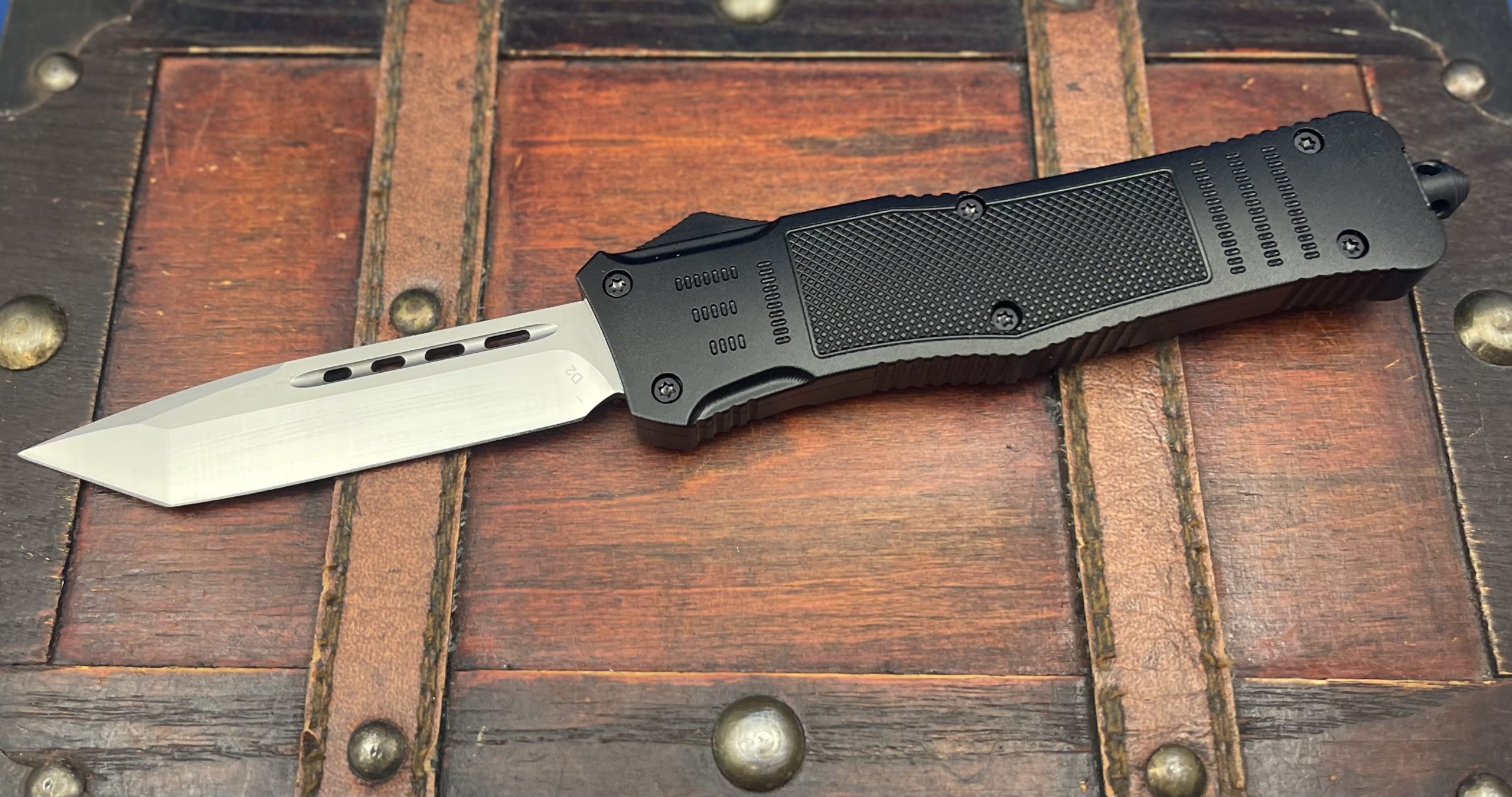
Tanto Blade
What It Is
The tanto blade features a straight edge and an angular tip, often with a secondary edge.
Best Uses
- Piercing tough materials
- Tactical use
- Hard-use tasks
Why It Stands Out
The reinforced tip makes the tanto blade extremely strong. However, it’s not as good for slicing as other shapes.
This is a great option if you need durability and tip strength.
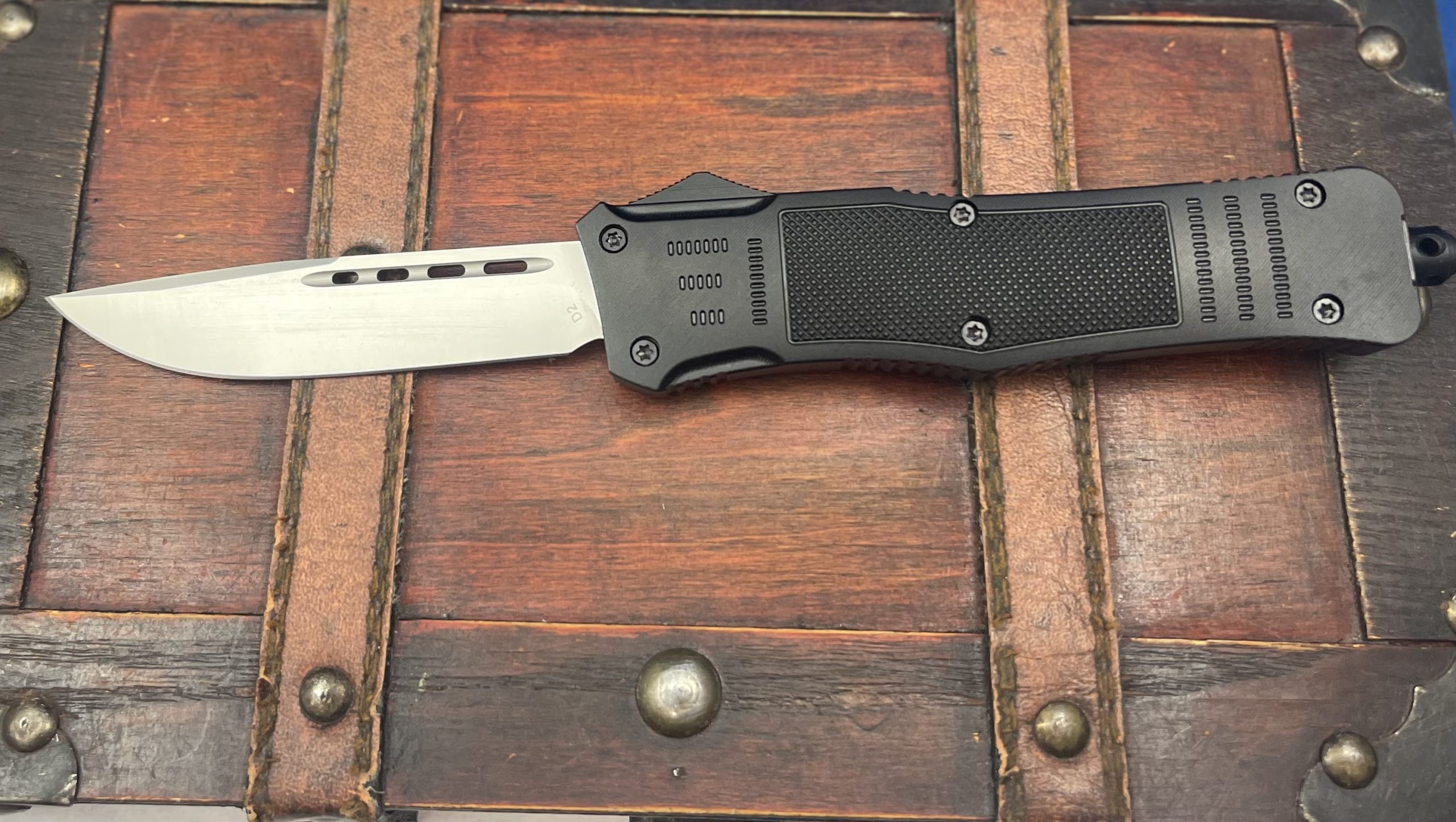
Drop Point Blade
What It Is
The clip point blade has a concave curve near the tip, creating a thinner, sharper point.
Best Uses
- Precision cutting
- Skinning
- Detail work
Why People Like It
The sharp tip makes it great for control and accuracy. It’s commonly seen on classic knives.
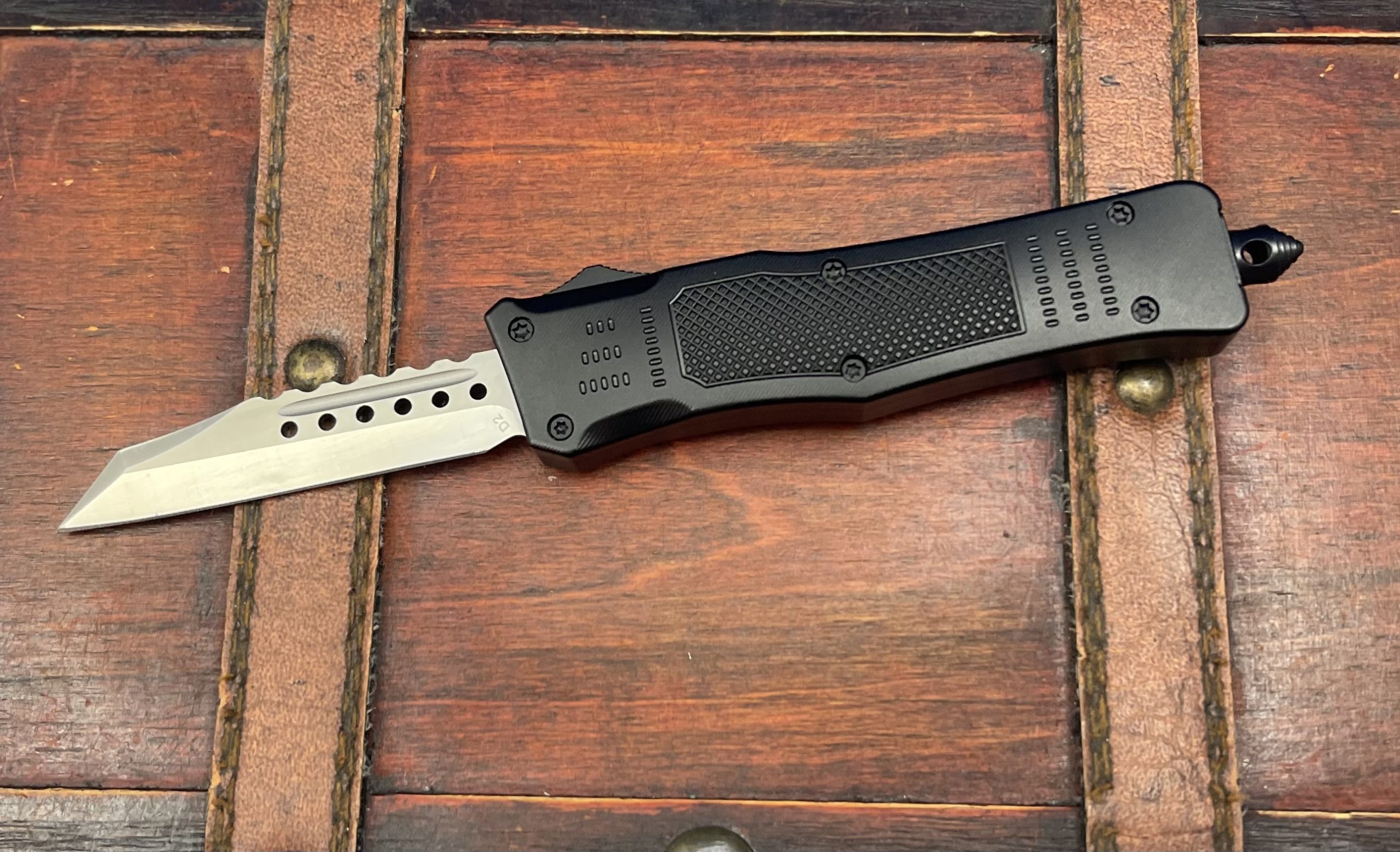
Wharncliffe Blade
 What It Is
The Wharncliffe blade has a straight edge and a spine that curves downward to meet the tip.
Best Uses
- Box cutting
- Utility work
- Controlled slicing
Why It Works Well
The straight edge allows for precise cuts, making it popular for work knives and everyday tasks.
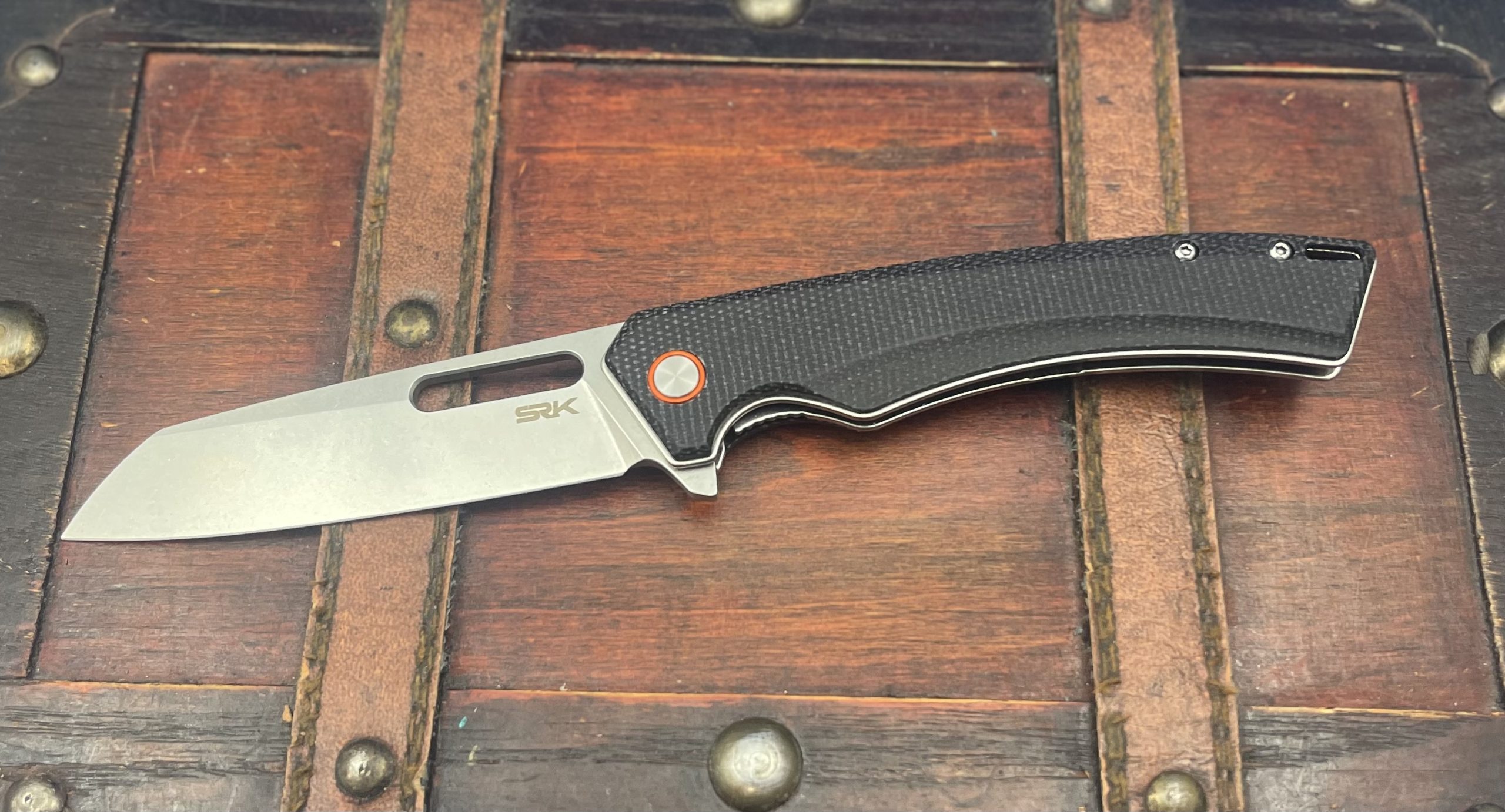
Sheepsfoot Blade
What It Is
The sheepsfoot blade is similar to the Wharncliffe but with a more rounded spine and less aggressive tip.
Best Uses
- Safety cutting
- Food prep
- Utility work
Why It’s Useful
Because it lacks a sharp tip, it reduces the chance of accidental punctures. This makes it great for safer cutting tasks.
Spear Point Blade
What It Is
The spear point blade has a symmetrical shape with the tip aligned with the center of the blade.
Best Uses
- Balanced cutting
- Tactical applications
- Throwing knives
Why It’s Balanced
This shape offers equal strength and control, making it versatile for multiple uses.
Dagger Blade (Double Edge)
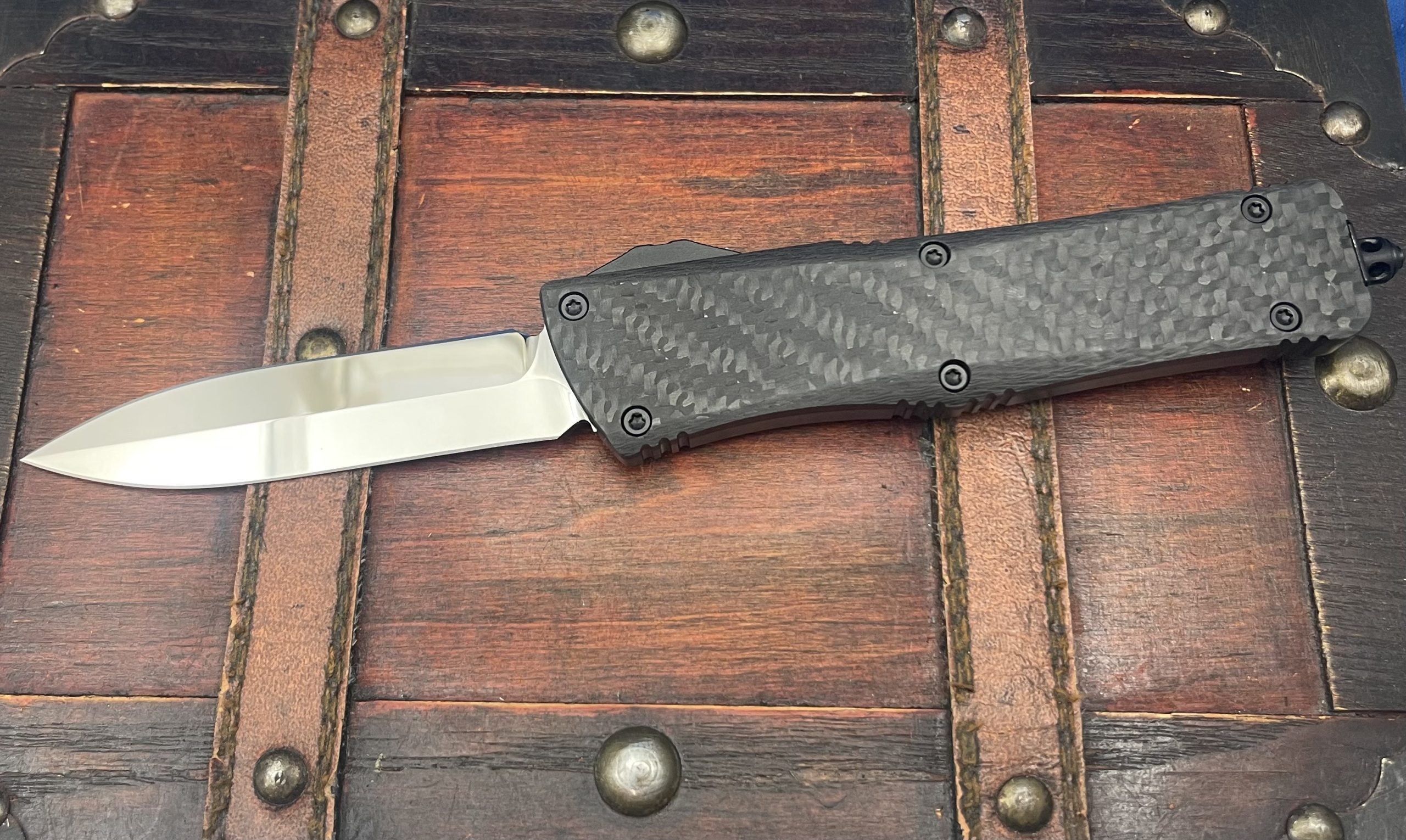
What It Is
The dagger blade features two sharpened edges and a symmetrical point.
Best Uses
- Tactical use
- Self-defense (where legal)
- Collecting
Important Note
Because of legal restrictions in some areas, dagger blades are not always practical for everyday carry.
Trailing Point Blade
What It Is
The trailing point blade curves upward, creating a large cutting edge.
Best Uses
- Skinning
- Slicing tasks
- Food prep
Why It Excels
This blade shape is excellent for long, smooth cuts but has a weaker tip.
Blade Shapes and Their Uses for Everyday Carry
When choosing an EDC knife, certain blade shapes perform better than others.
Best Blade Shapes for EDC
- Drop Point (most versatile)
- Wharncliffe (precision cutting)
- Sheepsfoot (safe utility use)
- Clip Point (detailed work)
These shapes offer the best balance of performance, safety, and usability.
Blade Shapes and Their Uses in the Kitchen
Kitchen knives are designed differently than EDC knives, but blade shape still plays a huge role.
Common Kitchen Blade Shapes
- Chef’s knife (curved for rocking cuts)
- Santoku (flat edge for slicing)
- Nakiri (straight edge for vegetables)
Each shape is optimized for food preparation tasks.
How to Choose the Right Blade Shape
Choosing the right blade depends on how you plan to use it.
Ask Yourself These Questions
What will I use the knife for most?
Daily tasks, outdoor use, or kitchen work?
Do I need strength or precision?
Tanto blades are strong; clip points are precise.
Do I want a general-purpose knife?
Drop point is the best all-around option.
Is safety important?
Sheepsfoot blades reduce accidental punctures.
Common Mistakes When Choosing a Blade Shape
Choosing Based on Looks Alone
Some blade shapes look aggressive but aren’t practical for daily use.
Ignoring Intended Use
A knife designed for tactical use may not perform well in everyday tasks.
Overlooking Comfort and Control
A blade should feel natural in your hand.
Frequently Asked Questions About Blade Shapes
What is the most versatile blade shape?
The drop point is widely considered the most versatile.
What blade shape is best for self-defense?
Tanto and dagger blades are often chosen, but laws vary.
What blade shape is best for everyday carry?
Drop point, Wharncliffe, and sheepsfoot are top choices.
Do blade shapes really matter?
Yes. Blade shape directly affects performance, safety, and usability.
Final Thoughts: Blade Shapes and Their Uses Matter More Than You Think
Understanding blade shapes and their uses gives you a major advantage when choosing a knife. Instead of guessing or buying based on appearance, you can select a blade that actually fits your needs.
A well-chosen blade will:
- Cut more efficiently
- Feel better in your hand
- Last longer
- Perform better in real-world situations
If you’re looking to upgrade your everyday carry or add a reliable knife to your collection, choosing the right blade shape is one of the smartest decisions you can make.
Explore Our Collection of Knives
If you’re ready to find the perfect knife for your needs, explore different blade shapes and styles to see what fits your everyday carry, kitchen, or outdoor setup.